Do Nightshades Make You Sick?

Click the image above to watch the episode!
Nightshade vegetables belong to the Solanaceae family of plants and are known for containing certain chemical compounds called alkaloids, some of which can be toxic. There are several nightshade plants that are considered highly toxic and should not be consumed. Here is a list of some toxic nightshade plants:
1. Deadly Nightshade (Atropa belladonna): Also known as belladonna, this plant contains the alkaloids atropine and scopolamine, which can be extremely toxic and even lethal if ingested. It is not a vegetable and should never be consumed.
2. Jimsonweed (Datura stramonium): Jimsonweed contains tropane alkaloids, including scopolamine and hyoscyamine, which can cause hallucinations and severe toxicity if ingested. It is highly toxic and should be avoided.
3. Mandrake (Mandragora officinarum): Mandrake contains alkaloids such as atropine and scopolamine and has a long history of being associated with toxic effects. It should not be consumed.
4. Henbane (Hyoscyamus niger): Henbane contains hyoscyamine and other toxic alkaloids and is considered a poisonous plant.
5. Bittersweet Nightshade (Solanum dulcamara): This plant contains solanine and other glycoalkaloids and is considered mildly toxic. Ingesting large amounts can lead to symptoms such as nausea, vomiting, and diarrhea.
6. Black Nightshade (Solanum nigrum): Black nightshade contains solanine and other glycoalkaloids. While it is considered less toxic than some other nightshades, consuming large amounts can still lead to digestive discomfort and other symptoms.
7. Horsenettle (Solanum carolinense): Horsenettle contains toxic alkaloids and should be considered potentially harmful if ingested.
It's important to emphasize that the toxic nightshade plants listed above should not be consumed. Always exercise caution when foraging for wild plants, as some toxic nightshades may resemble edible ones.
However, many nightshade vegetables are safe to eat. Here is a list of common nightshade vegetables:
1. Tomatoes (Solanum lycopersicum)
2. Potatoes (Solanum tuberosum) - Note that potato greens (leaves and stems) can contain higher levels the alkaloid solanine and should be avoided.
3. Bell peppers (Capsicum annuum)
4. Chili peppers (Capsicum species) - Includes varieties like jalapeños, habaneros, and cayenne peppers. Chili peppers contain varying amounts of capsaicin, the compound responsible for their spicy heat. While capsaicin can cause a burning sensation and may exacerbate symptoms like heartburn or gastrointestinal discomfort in some individuals, it is not typically associated with systemic inflammation.
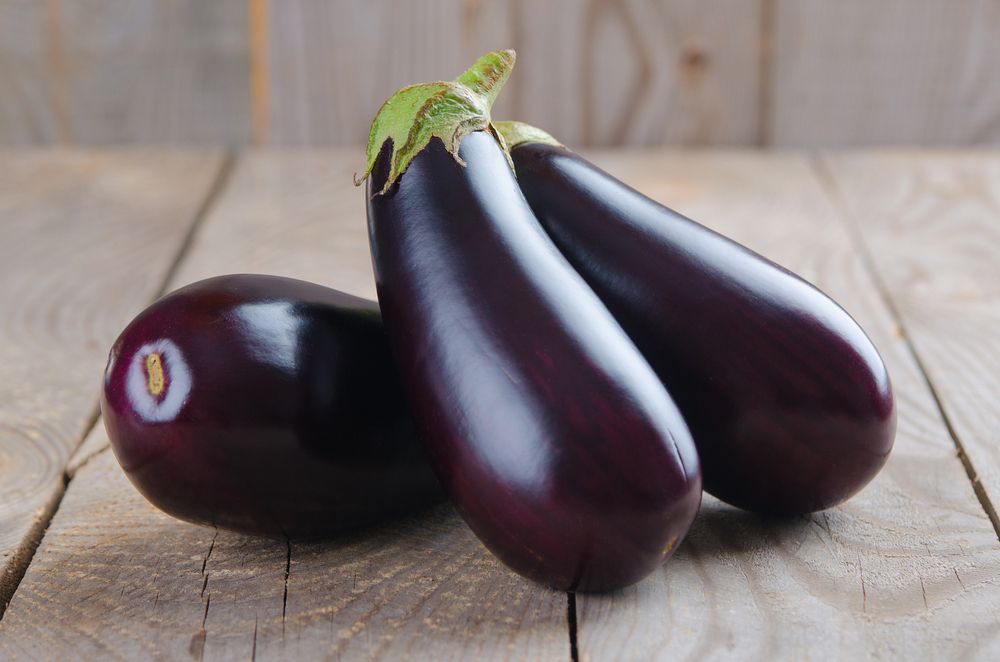
5. Eggplants (Solanum melongena) - Also known as aubergines in some regions.
6. Tomatillos (Physalis philadelphica) - Used in Mexican cuisine, often green and encased in a papery husk.
7. Paprika (Capsicum annuum) - A spice made from dried and ground bell peppers or chili peppers.
8. Pimentos (Capsicum annuum) - Often used as a stuffing for olives.
9. Goji berries (Lycium barbarum) - Sometimes considered a nightshade, though it's more closely related to tomatoes and potatoes.
There are many health benefits from eating nightshades when consumed in moderation as part of a balanced diet. Here are some potential health benefits associated with eating nightshades:
1. Nutrient Density: Nightshades are rich in essential nutrients. For example, tomatoes are a good source of vitamin C, potassium, and the antioxidant lycopene and bell peppers are high in vitamin C.
2. Antioxidants: Some nightshades, like tomatoes and peppers, are rich in antioxidants. Lycopene, found in tomatoes, is a well-known antioxidant that may help protect against oxidative damage and reduce the risk of certain chronic diseases.
3. Fiber: Many nightshade vegetables, such as potatoes and eggplants, are good sources of dietary fiber. Fiber is essential for digestive health and can help regulate blood sugar levels and promote feelings of fullness.
4. Heart Health: Consuming foods like tomatoes and peppers, which are low in saturated fats and high in antioxidants, fiber, and potassium, may contribute to heart health by helping to lower blood pressure and reduce the risk of cardiovascular diseases.
5. Weight Management: Nightshade vegetables can be a nutritious addition to a weight management plan due to their low calorie content and high fiber, which can help control appetite and promote a feeling of fullness.
6. Eye Health: Sweet potatoes and bell peppers, both nightshades, are good sources of nutrients like vitamin A and beta-carotene, which are important for eye health and may reduce the risk of certain eye disorders.
It's important to note that while nightshades can offer health benefits, some people may be sensitive to solanine and other compounds in nightshades, and they may experience inflammation or worsened symptoms of inflammatory conditions, such as inflammatory bowel disease certain types of arthritis, after consuming nightshade-containing foods. Cooking nightshades does reduce or eliminate the harmful alkaloids. If you suspect that nightshades are contributing to inflammation, consider eliminating them temporarily and monitoring your symptoms. Consulting with a healthcare professional or a registered dietitian can also provide personalized guidance on dietary choices and potential food sensitivities.
In summary, while there are some highly toxic nightshades that should be avoided, but there are many nightshade vegetables that provide health benefits, and most people can consume them without issue. However, there are some people with conditions such as inflammatory bowel disease and certain types of arthritis who do notice increased inflammation after consuming nightshades. For those patients, an elimination diet is often helpful in determining if nightshades are the actual cause.
[1] https://www.fs.usda.gov/wildflowers/ethnobotany/Mind_and_Spirit/solanaceae.shtml
[2] https://www.healthline.com/health/most-nutritious-nightshade-plants
[3] https://fdc.nal.usda.gov/fdc-app.html#/food-details/170108/nutrients
[4] Eur J Clin Nutr. 2007 Mar;61(3):295-303.
[5] . J Nutr. 2008 Mar;138(3):439-42.
[6] Mol Nutr Food Res. 2012 Feb;56(2):296-303.
[7] Nutr Rev. 2009 Apr;67(4):188-205
[8] Antioxidants (Basel). 2020 Oct 26;9(11):1046.
[9] Dig Dis Sci. 2023 Jul;68(7):2853-2860
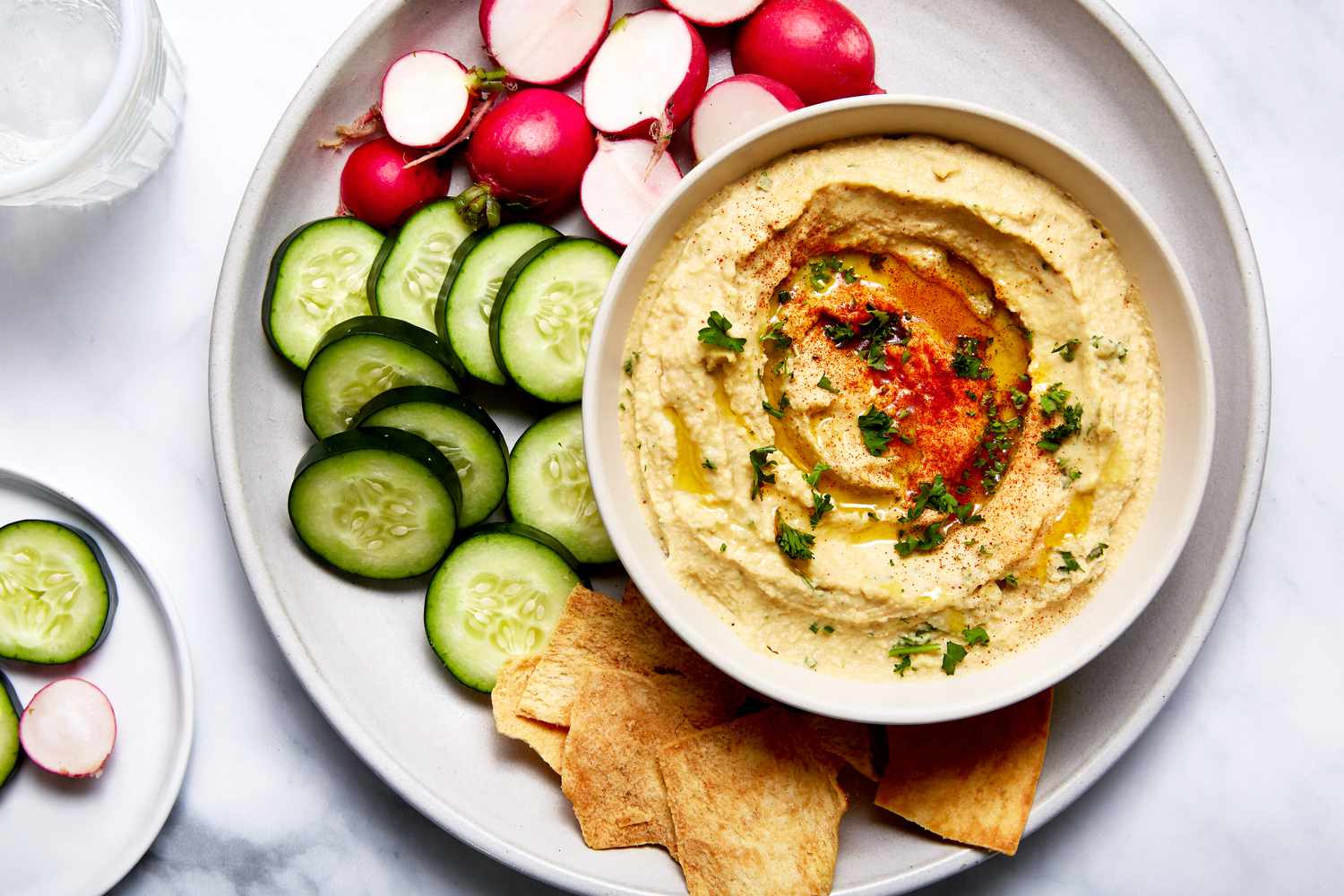
The BEST Baba Ghanouj!
2 medium-sized eggplants
3 cloves of garlic, thinly sliced
2 tablespoons fresh lemon juice
2 tablespoons dairy-free plain yogurt
2 tablespoons well stirred tahini
2 teaspoons yellow miso
3/4 teaspoon ground cumin
1/2 teaspoon smoked paprika + more for garnish
pinch of salt
cilantro (optional)
Directions
Preheat your oven to 425 and line a baking sheet with parchment paper.
Slice the eggplants in half, lengthwise and place cut side down on the prepared pan.
Divvy up your sliced garlic into 8 even-ish piles. Cut two slits about 1" long and deep into the flesh of each eggplant. Shove garlic into the slits. This ensures a nice roasted garlic and it infuses into the eggplant.
Bake eggplants for 50 minutes.
Place a colander into a bowl and transfer the eggplants to the colander. I try to keep the flesh of the eggplant against the colander to ensure maximum draining. You may have to use two colanders.
Place colander(s) into the fridge for at least a couple of hours. I do this overnight.
Scrape the flesh and the garlic away from the skin and place in a food processor or blender.
Add the rest of the ingredients (not the cilantro) and blend until smooth.
Transfer to a sealed container and place back in the fridge for at least an hour. Upon serving, sprinkle on smoked paprika and cilantro (If using).
Taste and adjust to your palate.
Want to learn more from the Doc & Chef? Get the medical guidance, practical cooking skills, and supportive community you need to finally succeed with plant-based living—without the confusion or overwhelm. Join the community today.


© 2025 The Center for Plant-Based Living. All Rights Reserved.